

This is Era 3: Digital Disruption & Reinvention
I joined R&J at the tail end of 1999, when the world was on the precipice of the Y2K transition and all the uncertainty that came with it was swirling. It was literally the dawn of a new century, and there was very real talk, in many circles, about the possibility that the whole world would be completely transformed in an instant at the stroke of midnight.
Y2K turned out to be a whole lot of hype and almost zero transformation. But the arrival of the aughts did, in fact, mark the beginning of an era defined by foundational change and disruption in every facet of work and life. This was definitely true at R&J.
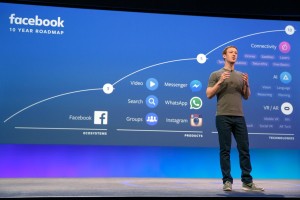
A number of technological changes that turned out to be far more transformative than Y2K arrived with a lot less fanfare, by comparison. The launches of Wikipedia, LinkedIn, WordPress and Facebook were fairly big news at the time, but no one truly understood how these platforms, along with others that would soon follow, would completely redefine communications on a global scale.
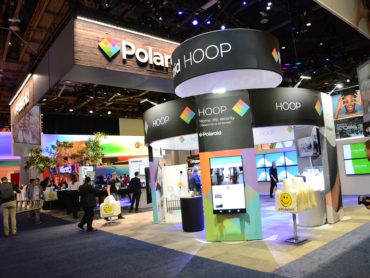
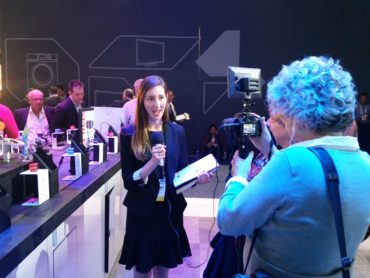
At R&J, we were as excited about these new platforms as everyone else. We were also focused on helping our clients in the photography and imaging space navigate the rise of digital technologies that presented both opportunity and peril to all of them. Not only was digital technology changing the products and solutions we were promoting for brands like Samsung, JVC, Konica Minolta and Agfa, it was transforming how we did our jobs and engaged with the world.
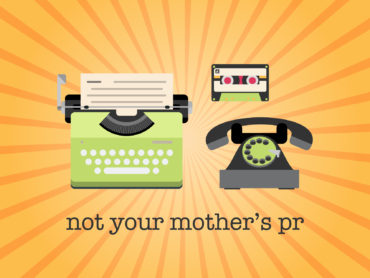
Here’s a quick example. When I arrived at R&J in 1999, we were regularly called upon to assemble several hundred hard copy press kits for each client attending trade shows like CES, PMA and NAB, for example. Each of those kits typically contained around 15 multi-page press releases and 30 product photos. Each press release was two or three pages long and every product photo was on a 35mm slide tucked into a pouch in an 8.5″ x 11″ plastic sleeve. All of that content (which R&J had obviously created), tucked into a branded pocket folder was one complete press kit. Once assembled, we would ship hundreds of those kits to the show for each of our clients, where we’d unpack them and stack them in the clients’ designated cubby holes in the press room on the day before the show opened. If there was a last-minute change to any press release (and there always was), we’d go to Kinko’s in whatever city was hosting the trade show at around 2 a.m. to have several hundred new versions printed. We’d then swap them out, one by one, in every press kit already neatly stacked in those press room cubby holes. By the end of this era, press kits were all digital Word documents “burned” onto CD-ROMs that could be easily revised and redistributed along with high-resolution digital product photos via email… without having to get out of your chair, much less run to Kinko’s on International Drive in Orlando at 2:00 am. That’s just one small example, but a microcosm of the ways technological advances changed things during this era.
Imaging wasn’t the only industry being upended of course. Healthcare was undergoing its own transformation, driven by consolidation, growing specialization and intense competition for talent and technology. Hospitals and health systems were turning into sophisticated marketers out of necessity, since the ones that could recruit the best physicians, land the newest technology and fill patient beds were the ones that could continue to provide the best, most comprehensive care to their communities.
Our experience with Saint Barnabas put us in an ideal position to help other hospitals and healthcare systems do exactly that, and our healthcare practice began to take off. It was during this era that we ran the Good Samaritan cardiac campaign, a high-profile, multi-faceted, fully-integrated effort that included PR and media relations, advertising across print, TV and radio, community relations and issue advocacy. It was unlike anything we’d done before, and we relished the challenge. In the end, Good Sam earned the cardiac Certificate of Need that enabled them to create a comprehensive cardiac surgery program despite aggressive opposition from New York Presbyterian and Nyack Hospitals. Our hospital and healthcare practice began in earnest, and Good Sam’s involvement in a related demonstration project would go on to shape an entirely different advocacy campaign for us a few years later.
In the middle of all this, we outgrew the office on Cherry Hill Road, moved back into a bigger space at 35 Waterview Boulevard and rebranded as R&J Group. Both the office and the brand reflected our growing size and capabilities as we branched out into new industries and delivered new services to meet our clients’ ever-evolving needs.
Looking back, what strikes me most about this stretch is that everything seemed to be shifting at once, creating new opportunities, new challenges, new tools and new techniques on a constant basis. Y2K didn’t amount to much, but the stuff that actually did, digital imaging upending clients we’d built entire practices around, hospitals turning into marketing organizations seemingly overnight, was happening constantly… continuously.
The difference between R&J’s 3rd era and today isn’t the scope or scale of the changes we’re navigating. It’s the speed. Changes are happening much more quickly today than they were in 1999 (as you might have heard once or twice). In R&J’s third era, we succeeded by embracing the change without losing sight of the constants that have always mattered most: making a difference for our clients, our team and our community, using whatever tools, strategies and tactics that best fit the moment. That looked different in 1999 than it does now, and it’ll look very different again in 2030. That’s what keeps this work interesting, challenging and rewarding, and it’s a big part of what keeps us excited to do it.

You May Also Like



R&J Strategic Communications Launches Second Annual Sidewalks of Support Campaign for Mental Health Awareness Month

R&J Strategic Communications Promotes Jeremy Dreisbach and Dexter Cheng, Expands Digital Capabilities with Hiring of Andrew Serian
They Killed a $13 Billion Data Center at 4 a.m.: Why Developers Need to Adapt to the New Rules of Community Engagement









R&J Strategic Communications’ Dan Johnson named by Urban Land Institute Northern New Jersey as District Council Co-Chair




R&J Strategic Communications’ Jess Cummings and Kaila Starita Recognized as Two of New Jersey’s Best Marketing and Communications Professionals Under 40 Years Old





R&J Strategic Communications Welcomes Meghan Scheuing and Nicole Bachrach as PR and Social Media Interns










R&J Strategic Communications Named One of Top PR and Communications Firms by Mid-Atlantic Real Estate Journal for Second Consecutive Year




Diversified Properties Bolsters Tri-State Area Multifamily Portfolio with Completion of East Rutherford Luxury Building

Diversified Properties Selects R&J Strategic Communications as PR and Digital Marketing Agency of Record




R&J Strategic Communications Named to GlobeSt. Real Estate Forum’s Commercial Real Estate’s Influencers in Marketing and Communications List


R&J Strategic Communications recognized as one of the “Best Places to Work in New Jersey” by NJBIZ Magazine for the Seventh Time




Rebecca Smith Recognized as One of New Jersey’s Best Marketing and Communications Professionals Under 40 Years Old



R&J Strategic Communication Further Integrates Digital and Creative Services with Promotion of Tim Gerdes to Vice President of Creative and Digital Services