

One Address, Every Argument
How a single vacant office campus in Montvale captures several of the major pressure points in New Jersey development today
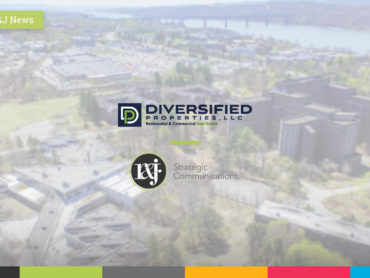
This story in today’s edition of The Record is an interesting microcosm of many of the biggest issues that communities throughout New Jersey, and the wider region, are grappling with right now. On the surface, it looks like a garden-variety story about a developer who wants to repurpose a vacant 44-acre office campus for a new use that better serves the needs of the community in changing times. And that’s exactly what it is. If you dig a little deeper, however, you quickly learn that it’s a lot more complicated than it appears, and it’s representative of so many planned projects on the books today.
The developer wants to convert this site in Montvale into a mixed-use project that includes a data center and market-rate housing with several affordable units. There’s currently a PILOT agreement attached to the project, the Fair Share Housing Center is challenging it in court and the borough is pushing back.
We’ve seen some version of this story play out in communities across New Jersey, and we’ll see it play out many more times for sure. What makes this one worth mentioning is how many of the biggest current pressure points show up on this single 34-acre site. Vacant office space that needs a new purpose. Urgent demand for housing, including affordable and supportive housing. Data center proposals that generate revenue but also generate opposition. PILOT agreements that municipalities want and advocates distrust. And a regulatory framework that often leads to litigation before ground is ever broken.
We work with clients on every side of conversations like this one. Developers trying to get viable projects approved. Housing providers trying to get units built. Community organizations trying to make sure their neighbors have a voice in what gets built near them. From that vantage point, we’ve come to believe that the biggest obstacle in most of these situations isn’t the law, the zoning, or even the money. The biggest obstacle to moving forward is often the absence of meaningful communication and trust between all the disparate parties who actually need each other to get to a finish line that advances the collective good.
That’s not a naive observation. These are difficult decisions with real consequences for real people, and there are times when advocacy, litigation, and public pressure are exactly the right tools. But those tools work best when they’re used to backstop a process built on honest engagement, not to replace it.
The challenges New Jersey is trying to work through right now, housing supply, office conversion, infrastructure capacity, equitable development, can be overcome. It will require developers who are willing to engage communities early, openly and consistently. It will require municipalities that approach their obligations to all their constituents with vision and good faith. It will require housing advocates who recognize the difference between a genuine compliance failure and a genuinely difficult set of competing priorities. It will require ongoing, meaningful communication between all the parties involved that isn’t built around false binaries and zero sum positions.
This is the kind of situation we navigate with clients every day, which is why a story like Montvale’s resonates the way it does. There are real people waiting on the outcome, which will have real impacts on their lives.
What we’ve learned from years of working across this ecosystem is that the path forward in situations like this one is always made smoother through better communication, not just between the parties at the table, but between those parties and the communities they serve. Developers who clearly articulate what a project delivers and what it costs. Municipal leaders who help residents understand the tradeoffs they’re being asked to make, and the value they will realize in so doing. Housing advocates who make the case for compliance in terms that resonate with people who have never heard of the Mount Laurel Doctrine but know their neighbors need a place to live.
Things work better and more quickly when all stakeholders understand not just what they’re getting but what they’re giving up to get it. When they feel that the exchange is fair and the process is honest, projects get done. And more than that, the communities in which those projects are built come out stronger and more cohesive than they were before. That kind of trust, once built, can be enduring. It often makes the next difficult conversation a little less difficult and a lot more productive.
That’s what effective communication can do. It’s what we help our clients do every day, and it’s work we’re very proud of.

You May Also Like










They Killed a $13 Billion Data Center at 4 a.m.: Why Developers Need to Adapt to the New Rules of Community Engagement







R&J Strategic Communications’ Dan Johnson named by Urban Land Institute Northern New Jersey as District Council Co-Chair








R&J Strategic Communications Named One of Top PR and Communications Firms by Mid-Atlantic Real Estate Journal for Second Consecutive Year


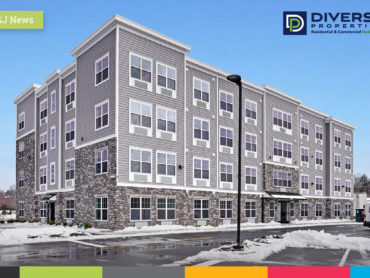
Diversified Properties Bolsters Tri-State Area Multifamily Portfolio with Completion of East Rutherford Luxury Building